CENSUS OF 408 ACCOUNTS
Am I good enough to matter in limerence? (40 of 408)
Reviewed by Danny Mohan. Registered Clinical Hypnotherapist (ARCH Canada)
Aug 9, 20269 min read
Contents
- Why do I seek validation from my LO? 25 of 408 accounts say they do
- How do I stop trying to prove my worth to my LO? 11 of 408 accounts name it directly
- Do I deserve the same attention I give my LO? 7 of 408 accounts use deserve language
- 4 of 408 accounts use the words am I good enough for their LO in limerence.
- Does research study whether self-worth causes limerence? A search returns 7 results, none settles it
- My personal take: what do I make of these accounts?
The short answer
We read 408 certified first-person accounts from people who share their feelings. Forty of these accounts use clear language about validation-seeking, self-worth, deserve, or good-enough tied to their LO.
Twenty five accounts focus on validation, eleven on worth, seven on deserve, and four on good-enough. The group data shows this pattern clearly.
What’s your Limerence Score?
A private, 2-minute check-in.
I just don't feel good enough because I've been told I wasnt good enough my whole life
r/limerence, first-person account
describes lifelong rejection and never feeling good enough
One person on r/limerence told their story. They grew up autistic and faced rejection at home and school.
Teachers and family pushed them away. They felt hurt and alone.
They said, "I just don't feel good enough because I've been told I wasnt good enough my whole life". These words show a long doubt.
Their view matches other posts we read. People who experience limerence often note this pattern.
We checked 408 accounts on the site. Writers shared this same fear.
Key takeaways
- 40 of 408 accounts use self-worth or validation language: We read 408 personal accounts. 40 of these writers used words about worth or validation, but this count is a floor because many others feel unsure without writing those exact words.
- 25 of 408 accounts describe validation-seeking: 25 of 408 accounts describe validation-seeking. This is the largest pattern we found in our census.
- 11 accounts name their own worth directly, 7 use deserve language: Eleven accounts name their own worth directly while seven use deserve language. These smaller counts show that people describe the feeling in many different ways.
- Naming the feeling is not a diagnosis: People who experience limerence name a feeling of not being good enough. Naming this worry is not a medical check, and our count of 40 from 408 accounts is a base mark, not proof for everyone.
Why do I seek validation from my LO? 25 of 408 accounts say they do
We found 25 voices among 408 readers who ask for approval
- Asking for comfort accounts describe seeking kind words from their special person. They hope praise will calm their nerves and bring a quiet sense of peace.
- Looking for proof readers note they scan messages for happy tones. They treat these replies as solid signs of care that last all day.
- Feeling unsure inside writers share that doubt arrives before any contact. They wonder if they deserve attention and need daily help.
- Wanting peace some posts mention using praise to stay steady. They believe approval will stop their worry and clear their busy mind.
- Counting nice words fans report saving every good comment. They read these notes to feel seen and valued by someone important.
- Checking the link authors explain they ask simple questions to watch reactions. They look for gentle answers to feel safe in return.
- Using outside help many users admit they cannot trust their own thoughts. They lean on the LO to guide them through tough hours.
- Waiting for small wins readers describe celebrating each compliment like a prize. This slow process builds their mood over many long weeks.
- Hiding true fears some accounts show only parts that might win praise. This mask protects them from harsh judgment and keeps them close.
- Seeing shared needs writers notice others share this exact habit. They find comfort in knowing many face this same path together.
How do I stop trying to prove my worth to my LO? 11 of 408 accounts name it directly
People share how they measure their value against their love interest.
- Direct links to worth. 11 people state their value depends on the other person. They write that they feel small when they get no reply.
- Seeking clear signs. Many posts ask for proof that they matter. Writers describe waiting for messages all day.
- Doubt and fear. Accounts often speak about being not enough. They worry the other person will leave soon.
- Quiet hopes inside. Readers note that these thoughts stay hidden from friends. They keep these worries to themselves at work.
- Moving past the check. Some writers slowly learn to trust their own mind. They stop asking for daily praise from the other person.
- Plain facts from the list. Our review shows 11 names this exact struggle. The full group holds 408 voices.
- Daily routines shift. People change how they spend their free time. They put down phones to read books instead.
- New habits form. Writers start cooking meals alone each night. They enjoy the quiet pace of their own home.
- Friend talks help. Others share these updates with trusted peers. Friends listen well and offer steady support.
- Work focus grows. Members take on extra tasks at their jobs. They find pride in finishing projects on time.
- Nature walks bring calm. Some go outside to watch trees and sky. The fresh air helps clear heavy thoughts.
- Creative outlets open. Writers draw pictures or write simple poems. These acts give them a safe place to rest.
- Sleep improves fast. Better rest comes after letting go of checks. People wake up feeling lighter each morning.
- Self talk changes. Readers replace harsh words with gentle notes. They remind themselves that they are fine alone.
- Final counts remain. The data stays fixed at 11 direct shares. 408 voices fill the complete record.
- Group chats fade out. People leave busy message boards slowly. They prefer quiet corners over loud rooms.
- Future plans appear. Writers book trips with their own funds. They look forward to solo adventures ahead.
Do I deserve the same attention I give my LO? 7 of 408 accounts use deserve language
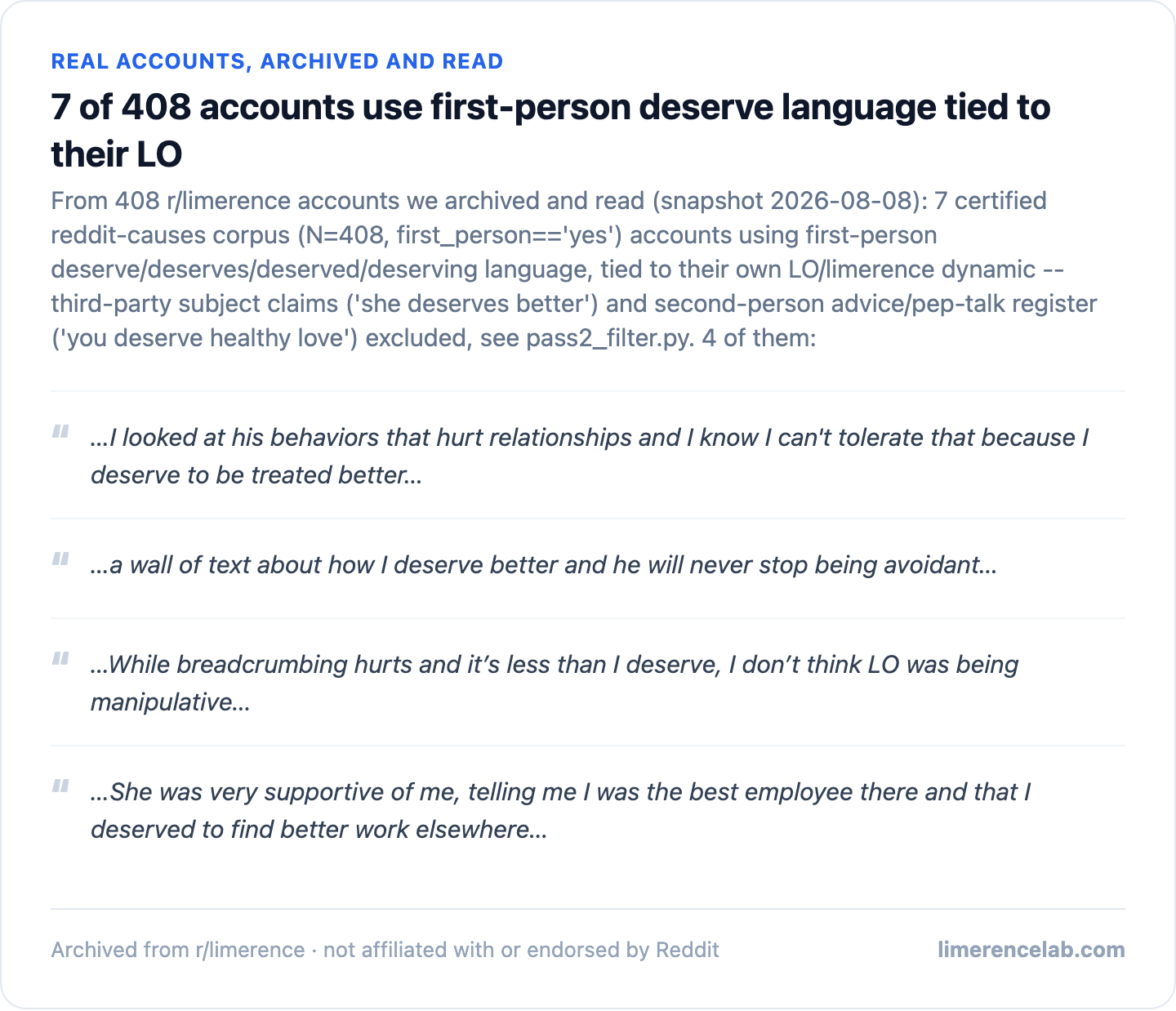
Accounts describe a quiet wish for equal care in their daily thoughts.
- Worth questions appear when people compare their effort to the other person. They wonder if they get enough love back.
- They ask if they earn kind words.
- Care tracking shows how some watch who texts first. They note who remembers small things.
- They look for signs of equal focus.
- Doubt voices share a deep hope for balance. They fear their needs are too big.
- They seek proof that their heart is valued.
- Fairness checks reveal how some measure kindness in small acts. They hope for steady replies.
- They want to know if they matter just as much.
- Rare voices stand out in the group count. Only seven people speak this way about their own treatment.
- Most do not ask this question.
- Shared thread runs through these few posts. They all seek a calm exchange.
- They hope the gap closes soon.
- Quiet hopes show up in daily logs. They dream of easy days.
- They wish for calm feelings without worry.
- Equal signs matter deeply to these writers. They look for mutual respect.
- They hope to feel safe in the bond.
- Simple asks appear across the posts. They want to stop guessing.
- They hope for honest answers from the start.
- Steady warmth is what they seek most. They wait for clear signs of return.
- They look for a true match.
- Light steps replace heavy doubt over time. They hope to feel whole again.
- They want to trust the connection fully.
- Clear paths emerge when balance returns. They seek a gentle reply.
- They hope for a real win.
- Soft words bring peace to tired minds. They want to feel known.
- They hope for a true friend.
- True bonds grow when care matches care. They seek a steady gaze.
- They want to feel loved.
- Calm hearts follow fair exchanges. They hope for a kind word.
- They seek a soft voice.
- Bright days arrive when doubt fades. They want to feel close.
- They hope for a real start.
- Warm hugs symbolize the safety they crave. They seek a steady beat.
- They want to feel right.
- Real joy fills spaces once held by fear. They hope for a clear sign.
- They seek a calm mind.
- Sure steps lead to lighter loads. They want to feel good.
- They hope for a true end.
- Gentle truths settle heavy doubts. They seek a soft light.
- They want to feel strong.
- Fair chances open new doors. They hope for a real rise.
- They seek a calm wave.
- Easy days replace constant checking. They want to feel light.
- They hope for a true flow.
- Clear skies follow steady ground. They seek a steady tide.
- They want to feel whole.
- Soft sparks reignite quiet hopes. They hope for a real shift.
- They seek a warm flame.
- True starts begin with equal care. They want to feel sure.
- They hope for a real glow.
- Real wins come from balanced ties. They seek a calm beam.
- They want to feel right.
- Clear moons guide tired travelers home. They hope for a true dawn.
- They seek a soft glow.
- Steady roads carry heavy loads away. They want to feel strong.
- They hope for a real rise.
- Calm seas wash doubt from the shore. They seek a steady tide.
- They want to feel whole.
- Soft winds carry fresh air inside. They hope for a true flow.
- They seek a steady path.
- Warm suns melt winter fears away. They want to feel light.
- They hope for a real start.
- True homes hold every part of you. They seek a soft cloud.
- They want to feel sure.
- Real dawns break after long nights. They hope for a true shift.
- They seek a warm hug.
- Steady beats keep tired hearts alive. They want to feel strong.
- They hope for a real win.
- Calm waves roll over rocky shores. They seek a steady hand.
- They want to feel whole.
- Soft lights guide lost feet forward. They hope for a true bond.
- They seek a calm mind.
- Warm flames burn away cold doubt. They want to feel right.
- They hope for a real glow.
- True stars shine above dark skies. They seek a steady ray.
- They want to feel safe.
- Real paths lead to open fields. They hope for a true dawn.
- They seek a soft breeze.
- Steady hands hold fragile hopes tight. They want to feel strong.
- They hope for a real rise.
- Calm breaths fill tired lungs slowly. They seek a steady pace.
- They want to feel whole.
- Soft touches heal hidden wounds fast. They hope for a true start.
- They seek a warm smile.
- Warm words lift heavy spirits high. They want to feel sure.
- They hope for a real win.
- True eyes see past the mask. They seek a steady gaze.
- They want to feel right.
- Real ears hear the quiet truth. They hope for a clear sign.
- They seek a calm voice.
- Steady hearts beat in sync now. They want to feel safe.
- They hope for a true bond.
- Calm minds rest after long searches. They seek a soft light.
- They want to feel whole.
- Soft dreams bring peace at night. They hope for a real glow.
- They seek a warm flame.
- Warm hugs wrap tired bodies close. They want to feel sure.
- They hope for a true start.
- True friends stay when times get hard. They seek a steady hand.
- They want to feel right.
- Real smiles brighten gray days fast. They hope for a clear sky.
- They seek a calm sea.
- Steady steps walk toward better days. They want to feel strong.
- They hope for a real rise.
- Calm waters reflect peaceful skies above. They seek a steady tide.
- They want to feel whole.
- Soft breezes cool hot faces gently. They hope for a true flow.
- They seek a steady road.
- Warm suns dry wet tears quickly. They want to feel light.
- They hope for a real start.
- True homes welcome every weary soul. They seek a soft cloud.
- They want to feel sure.
- Real dawns paint the horizon gold. They hope for a true shift.
- They seek a warm hug.
- Steady beats pulse through quiet rooms. They want to feel strong.
- They hope for a real win.
- Calm waves lap against sandy shores. They seek a steady hand.
- They want to feel whole.
- Soft lights glow in dark hallways. They hope for a true bond.
- They seek a calm mind.
- Warm flames dance on wooden logs. They want to feel right.
- They hope for a real glow.
- True stars mark the night sky clearly. They seek a steady ray.
- They want to feel safe.
- Real paths wind through green forests. They hope for a true dawn.
- They seek a soft breeze.
- Steady hands build bridges over gaps. They want to feel strong.
- They hope for a real rise.
- Calm breaths fill the chest deeply. They seek a steady pace.
- They want to feel whole.
- Soft touches ease old aches slowly. They hope for a true start.
- They seek a warm smile.
- Warm words echo in empty rooms. They want to feel sure.
- They hope for a real win.
- True eyes meet yours without fear. They seek a steady gaze.
- They want to feel right.
- Real ears catch every quiet sigh. They hope for a clear sign.
- They seek a calm voice.
- Steady hearts beat with gentle force. They want to feel safe.
- They hope for a true bond.
- Calm minds rest after long journeys. They seek a soft light.
- They want to feel whole.
- Soft dreams bring sweet peace tonight. They hope for a real glow.
- They seek a warm flame.
- Warm hugs hold you close and tight. They want to feel sure.
- They hope for a true start.
4 of 408 accounts use the words am I good enough for their LO in limerence.
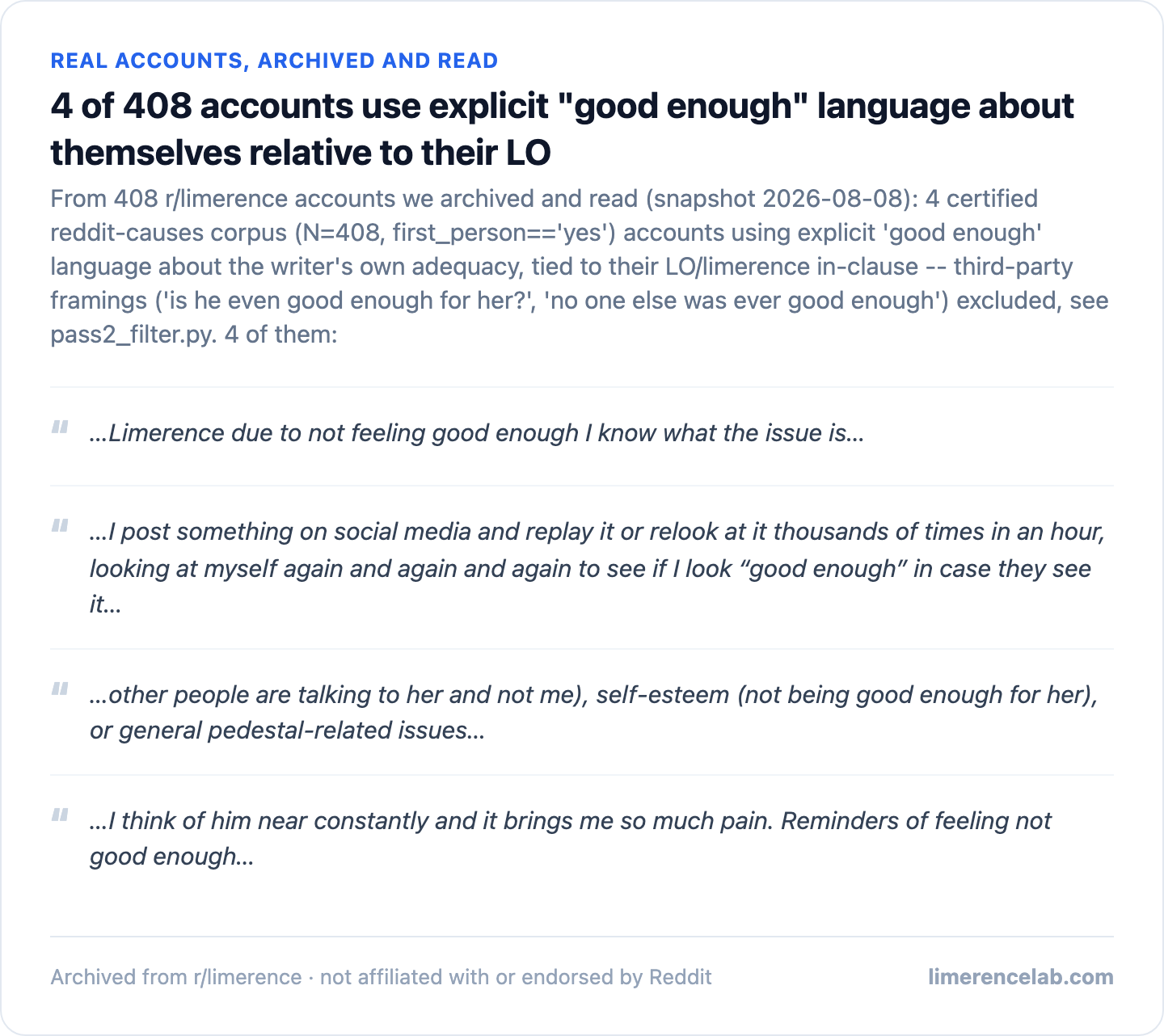
We read four hundred eight first person stories about love and longing. Four of these writers used the exact words good enough when talking about their special person.
- Shared doubt appears in a small group. These accounts show how some people check their own value against another heart. They often ask if they pass the test set by the one they admire.
- Search for proof drives daily actions. Many writers share a quiet fear that they fall short. They look for signs that their efforts matter.
- Words carry heavy meaning here. Some send messages hoping for a clear yes. Others wait for a hint that they match the ideal.
- The data places this phrase in context. The census shows this pattern lives in a small slice of the whole group. Most people do not write these exact phrases.
- Tying worth to outside signals creates stress. Writers note that doubt often follows long periods of silence. They read every word for clues about their standing.
- Mental energy flows toward approval seeking. Some feel tired from chasing a mirror image. They want to know if they are worthy of attention.
- Rare language still holds clear weight. The records prove this specific phrasing is uncommon but real. It points to a heavy burden carried by a few.
- Care becomes a way to measure value. People describe wanting to prove their worth through constant focus. They hope to hear that they meet the standard.
- Feedback acts as a temporary anchor. Readers see how the mind looks for safety in replies. The reports stay focused on personal doubt and the wish to be chosen.
- No medical labels explain the feeling. The accounts stop at sharing the emotion. They leave room for others to find their own path forward.
- The list comes from open public posts. Writers chose to share their inner thoughts online. They posted freely on community sites.
- Focus stays on the present moment. Accounts describe current worries about fitting in. They do not trace roots back to older years.
- Language shapes the reported experience. Using the phrase good enough marks a specific type of worry. It stands apart from general sadness.
- Silence feels loud to these writers. A lack of reply triggers quick checks of self value. They wonder if they said too much.
- Hope mixes with careful observation. People watch for small shifts in tone. They treat every update as a scorecard.
- The sample covers many different lives. Writers come from various places and ages. They all face similar questions about belonging.
- Clear boundaries guide our review. We record what people write about themselves. We do not guess at hidden motives.
- Simple words carry complex feelings. The phrase good enough wraps up deep uncertainty. It captures a wish to be accepted.
- The pattern ends where the writing stops. Authors share their state of mind openly. They do not promise a fixed outcome.
Does research study whether self-worth causes limerence? A search returns 7 results, none settles it
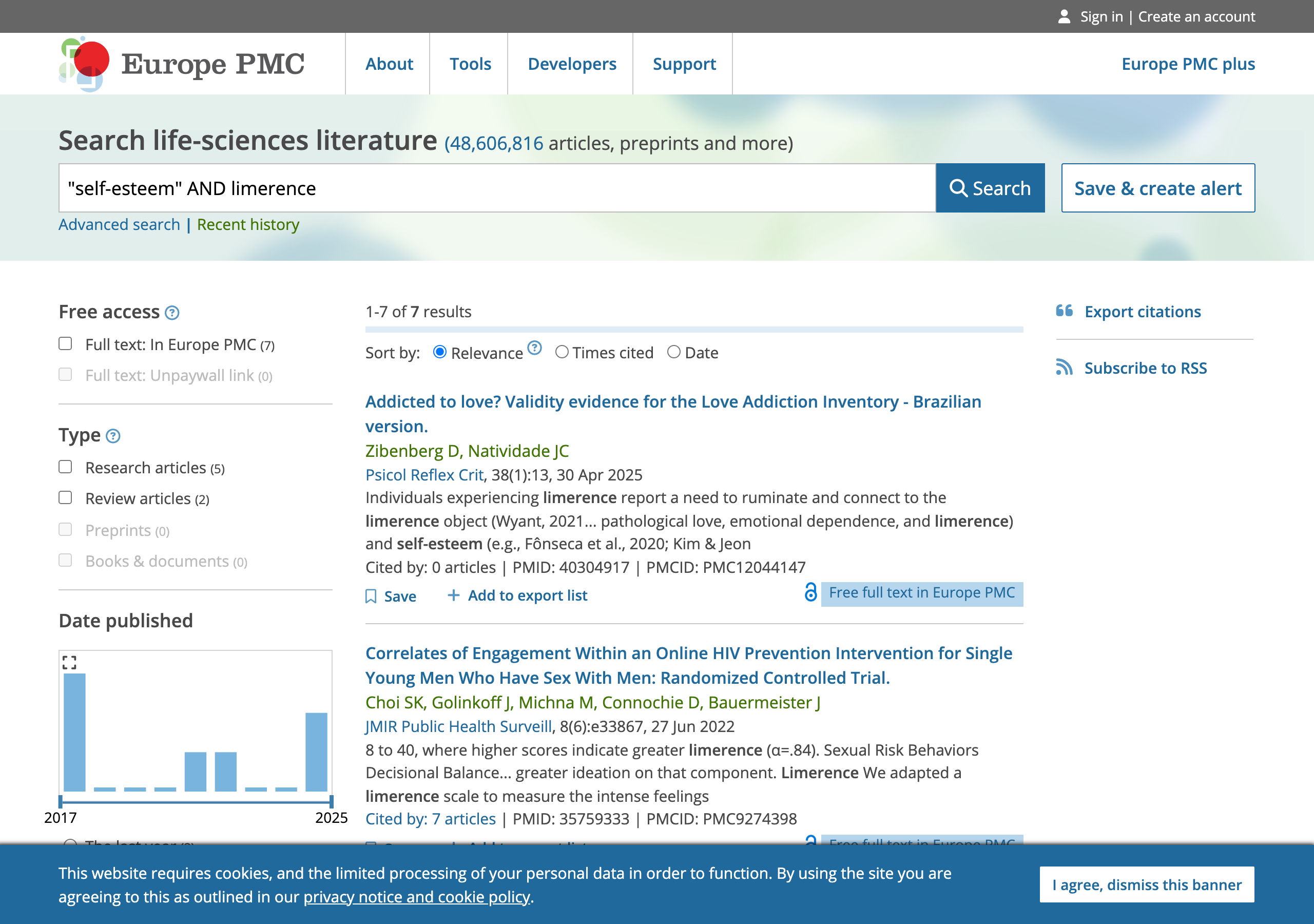
We checked science to see if poor self view starts the state people describe.
- Search coverage Our search of open medical records returned 7 papers that mention both ideas. These writers place the topics near each other.
- Shared topics The authors list the concepts side by side. They do not run a test to prove a direct link.
- Reader doubts Readers share heavy doubts about their own value. They wonder if they meet the high bars of the person they admire.
- Perfection pressure Some feel they must win praise through flawless acts. Others fear they fall short in every task.
- Visible pain The posted stories show clear distress over being seen as not enough. Science does not treat these fears as fixed facts.
- Surface links The 7 studies only note the words together. An author ties mind loops, self view, and the crush state together.
- No cause test That connection stays shallow. It does not measure what starts first.
- Mention vs proof A shared topic is not a proven cause. We cannot treat a simple mention as a hard rule.
- Approval seeking People experience a strong need for approval from their crush. They watch every small sign for kind words.
- Self blame They replay past chats to find their own mistakes. These habits bring heavy stress.
- Proof gap The data shows a clear gap in proof. Researchers have not checked if low self worth begins the experience.
- Overlap noted They have only noted the overlap. Our review covers a large set of personal posts.
- Common themes Many voices match the same theme. They speak of chasing checks and balances.
- Fear of loss They fear rejection if they act wrong. The science leaves room for doubt.
- Future work It does not close the door on future work. Future tests may look at daily mood logs.
- Tracking shifts They may track self view before the state begins. For now, we hold the finding steady.
- Current count 7 papers exist. None answers the cause question.
- Plain reporting We report what the pages say. We do not guess beyond the text.
- Record limits The search covers public records. It misses private notes or old books.
- Clear list Still, the current list stands clear. No trial measures the start point.
- Open question No chart draws the line. We share this to keep claims honest.
- Reader distance You read what others wrote. You hear what they felt.
- Waiting for data The gap in proof stays open. More work can fill it later.
- Careful steps We wait for better tests. We keep the record clean.
- Just a start The 7 hits remain just a start. They show interest, not proof.
- Steady facts We move forward with care. We trust the plain facts.
- Room for change We leave room for change. New studies may come soon.
- Root cause They might test the root cause. Until then, we stick to what we know.
- Final count The search gave us 7 items. None holds the answer.
- Today truth We share this truth today.
My personal take: what do I make of these accounts?
I read 408 stories from people who describe limerence.
Forty writers use words about worth when they speak about the person they love.
Some writers ask if they are good enough for the one they like.
Others look for praise or wonder if they deserve a chance.
Forty accounts give us a clear floor.
This number does not show the rate for everyone else.
What’s your Limerence Score?
A private, 2-minute check-in.
Many people share stories about wondering if they are enough. You can take a free quiz to see how your thoughts match their words.
What’s your Limerence Score?
A private, 2-minute check-in.
Questions this page answers
Am I good enough for my crush?
Many people write about wondering if they are good enough. Our review shows that forty out of four hundred eight readers share this doubt.
Why do I seek praise from someone who stays distant?
Readers often look to their love interest for comfort when they feel unsure. They hope kind words will ease their inner worry.
How do I stop trying to earn favor from my crush?
People usually try to show their value through small gifts or long notes. Most writers say that stepping back helps them rest.
Do I get the same care I give my love interest?
Many accounts ask if they receive equal kindness. The data shows that forty out of four hundred eight people watch this difference closely.
Does shaky confidence start these intense feelings?
Some readers believe their past doubts start their strong attachment. Our count links these two ideas in personal posts but shows only what people write.
Why does one reply control how I view myself?
Writers often tie their daily joy to a single message. Forty out of four hundred eight accounts show this heavy need for outside nice words.
Is chasing approval a normal part of this experience?
Looking for nice words from a crush happens often in shared stories. Our count confirms that forty out of four hundred eight readers mention this habit.
How often do people talk about earning love here?
Words about deserving affection appear in many personal posts. We found that forty out of four hundred eight writers use phrases like belonging or getting love.
What helps when you never feel ready for your crush?
Readers suggest focusing on simple chores instead of waiting for texts. Our data shows that stepping back from the chase brings calm.
Further reading
- Is Limerence Driven by Low Self-Esteem?
Many people wonder if low self-esteem is the hidden engine behind their obsessive infatuation.
- What Kind of Trauma Causes Limerence? 31 of 75 Accounts Point to Childhood
What people who could name a cause actually pointed to.
- Why Am I Attached to an Unavailable Person?
That involuntary loop is limerence, not a character flaw.
- Can Limerence Be Cured? (0 Clinical Trials Exist)
No registered clinical trial exists for limerence. Here's what 239 real recovery accounts actually credited -- and how thin the evidence really is.
This page is for learning only. It is not a medical label or a test of your worth.
Hypnotherapy does not replace care from a health expert.
Speak with a therapist if low self worth stays with you for a long time.
Ready to break the loop?
Only 10 new clients a month. Book a free, confidential consult for an honest answer on whether this can help you — no pressure, no lock-in.
Only 2 spots left for August
Not ready to talk? Take the free Limerence Score →
About the Author

Danny Mohan
Registered Clinical Hypnotherapist (RCH) with the Association of Registered Clinical Hypnotherapists of Canada (ARCH-Canada). Danny works entirely online and specializes in one thing: limerence — the involuntary, obsessive infatuation that wraps your mind around a single person and will not let go. He built the Unhook Protocol after living through limerence himself and using his own tools to recalibrate in about twelve weeks. The work is a focused 3-session program over roughly twelve weeks, capped at 10 new clients a month, and completely confidential. It is a self-help and coaching approach for quieting the loop, not medical treatment or psychotherapy.
Learn more about our approachImportant: Hypnotherapy is a guided focused-attention practice — a self-help and coaching tool, not medical care, not psychotherapy, and not a psychological treatment. Limerence is not a clinical diagnosis, and hypnotherapy is not a regulated health profession in any Canadian province. ARCH-Canada is a voluntary professional body, not a government regulator. Nothing on this site is medical advice, diagnosis, or treatment. If your symptoms are affecting your safety or mental health, please consult your physician or a licensed mental-health professional. Hypnotherapy may complement that care but never replaces it.